Dec 11, 2025
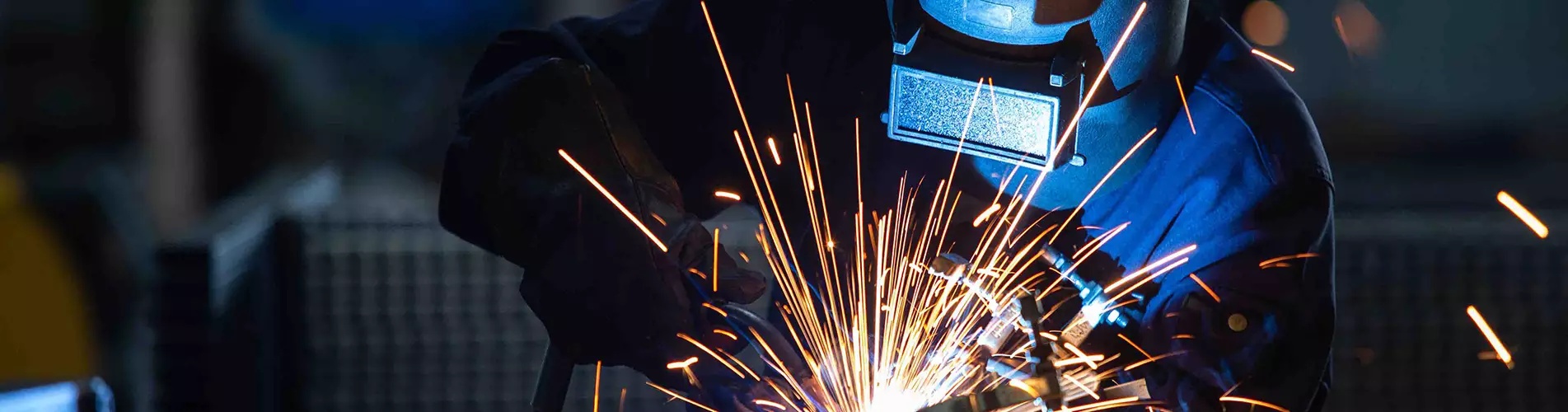
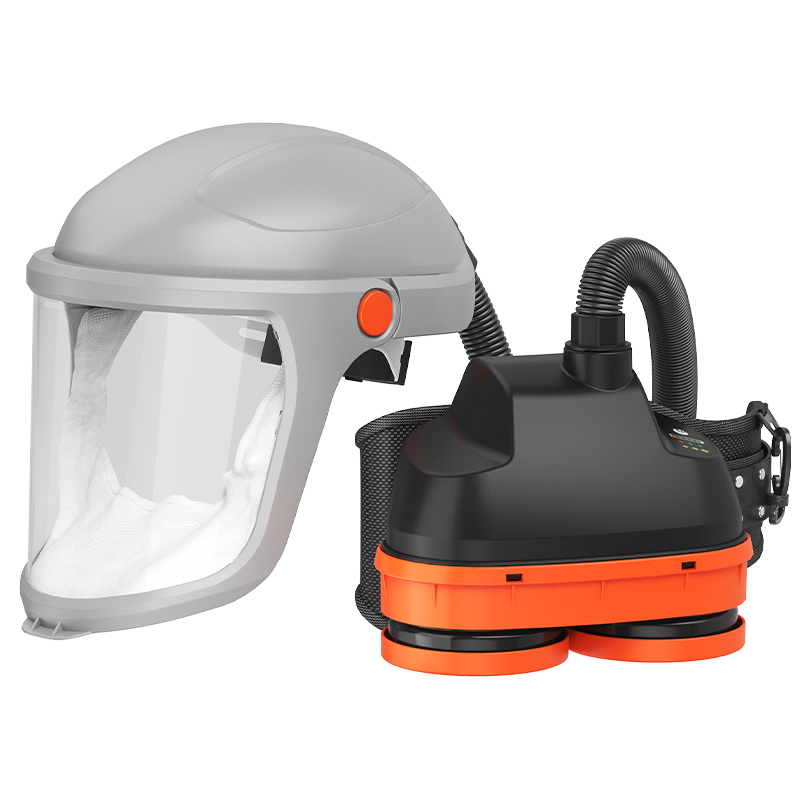
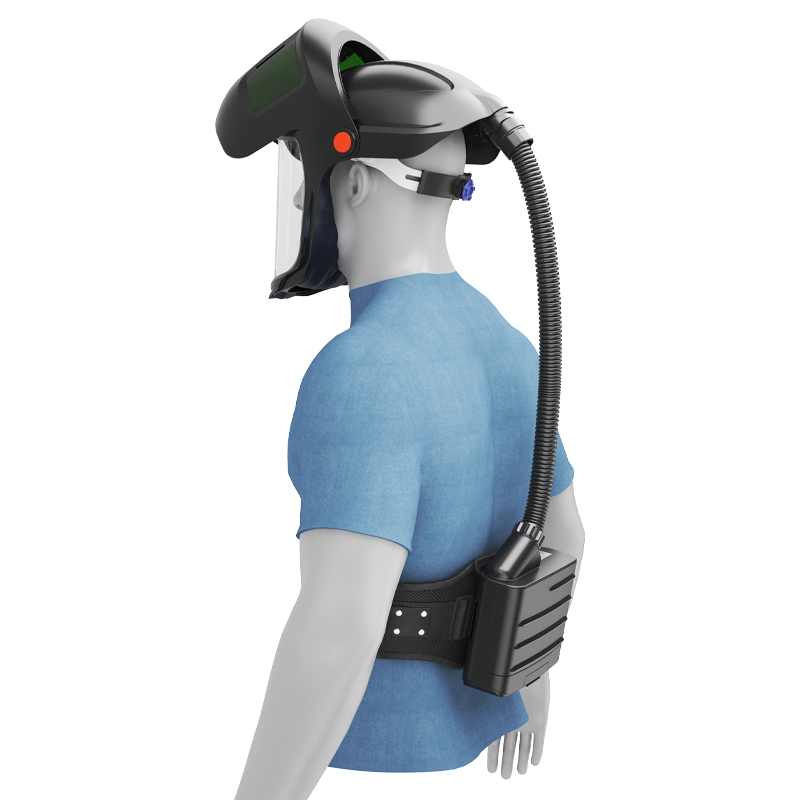
La pulverización automotriz es una tarea que impone requisitos estrictos tanto en la precisión del proceso como en la salud de los profesionales. No solo debe garantizar un acabado de pintura liso y uniforme con un color consistente, sino que también debe lidiar con diversas sustancias nocivas presentes en la operación. Durante el proceso de pulverización, desde la imprimación y la capa base hasta el barniz, materiales peligrosos como partículas de niebla de pintura, vapores orgánicos y compuestos orgánicos volátiles (COV) están presentes en todas partes. Las mascarillas antipolvo o semimáscaras comunes apenas ofrecen una protección completa; lo que es peor, su alta resistencia respiratoria puede afectar la estabilidad operativa. Como equipo de protección profesional,mascarilla facial accionada por aire El PAPR se ha convertido en una barrera protectora estándar en la pulverización automotriz, gracias a sus ventajas de suministro de aire activo y filtración de alta eficiencia. Hoy exploraremos las principales razones por las que el PAPR es imprescindible para la pulverización automotriz y cómo seleccionar el modelo adecuado. La particularidad del entorno de pulverización automotriz determina que los equipos de protección convencionales distan mucho de satisfacer las demandas, y este es precisamente el valor fundamental de las PAPR. En primer lugar, el proceso de pulverización produce partículas de niebla de pintura con un diámetro de tan solo 0,1-10 micras. Estas finas partículas pueden penetrar fácilmente las mascarillas convencionales y, tras inhalarlas a largo plazo, se depositan en los pulmones, provocando enfermedades profesionales como la neumoconiosis. Por otro lado, los disolventes de la pintura (como el tolueno y el xileno) se volatilizan en vapores orgánicos de alta concentración. Las mascarillas convencionales de carbón activado tienen una capacidad de adsorción limitada y se saturan y pierden su eficacia en poco tiempo. En segundo lugar, la pulverización automotriz a menudo requiere posturas complejas, como agacharse e inclinarse lateralmente durante largos periodos. La resistencia respiratoria de las mascarillas convencionales aumenta con el tiempo de uso, lo que dificulta la respiración y dificulta la concentración de los operarios, lo que a su vez afecta a la precisión del acabado de la pintura. Respirador purificador de aire de presión positiva con casco entrega aire limpio de forma activa a través de un ventilador eléctrico, que no solo tiene una resistencia respiratoria casi nula, sino que también puede bloquear más del 99,97 % de partículas finas y vapores nocivos mediante componentes de filtración de alta eficiencia, equilibrando la protección y la comodidad operativa. Además de la protección básica, la PAPR también puede mejorar indirectamente la calidad del proceso de pulverización automotriz, lo cual es otra razón clave para que se haya convertido en una necesidad en la industria. Si el equipo de protección convencional tiene poca hermeticidad, el polvo externo penetrará por el espacio entre la máscara y la cara. Este polvo se adhiere a la superficie de la pintura sin secar, formando "manchas de polvo" y aumentando los costos de retrabajo. Sin embargo, las máscaras PAPR se diseñan principalmente como máscaras faciales completas o de media cara, y el anillo de sellado elástico garantiza un ajuste perfecto a la cara, impidiendo eficazmente la entrada de contaminantes externos. Aún más importante, el sistema de suministro de aire activo de la PAPR crea un ambiente de presión ligeramente positiva dentro de la máscara. Incluso con un pequeño espacio en la máscara, el aire limpio fluirá hacia afuera en lugar de que los contaminantes externos se filtren hacia adentro. Esto evita fundamentalmente los defectos de polvo en la superficie de la pintura, lo cual es particularmente crucial para la pulverización fina de automóviles de alta gama. Elegir lo correcto Respirador con suministro de aire eléctrico El modelo es un requisito previo para ejercer efectos protectores. En escenarios de pulverización automotriz, se deben considerar dos indicadores fundamentales: el tipo de componente del filtro y el modo de suministro de aire. En cuanto a las necesidades de filtración, los principales contaminantes en la pulverización automotriz son compuestos de vapores orgánicos y partículas de neblina de pintura. Por lo tanto, se debe seleccionar un sistema de filtración combinado de cartucho para vapores orgánicos y filtro HEPA de algodón de alta eficiencia: el cartucho absorbe vapores de disolventes orgánicos como tolueno y acetato de etilo, mientras que el filtro HEPA de algodón bloquea las partículas finas de neblina de pintura. La combinación de ambos logra una filtración integral. En cuanto al modo de suministro de aire, se recomienda priorizar el PAPR portátil a batería. Es ligero (generalmente de 2 a 3 kg) y tiene una duración de batería de 8 a 12 horas, lo que permite una pulverización continua durante todo el día. Además, no está restringido por mangueras de aire externas, lo que permite a los operadores moverse libremente por la carrocería del vehículo, ideal para pulverizar piezas como puertas y capós. Cabe destacar que al seleccionar un PAPR para la pulverización automotriz, también se deben considerar los estándares de la industria y los detalles prácticos. El PAPR no es un equipo opcional, sino una herramienta indispensable para proteger la salud y la calidad del proceso. Elegir el modelo correcto y realizar un mantenimiento adecuado puede hacer que las operaciones de pulverización sean más seguras y eficientes. Para obtener más información, haga clic en el enlace. www.newairsafety.com.
LEER MÁS




 Red IPv6 compatible