Jan 20, 2026
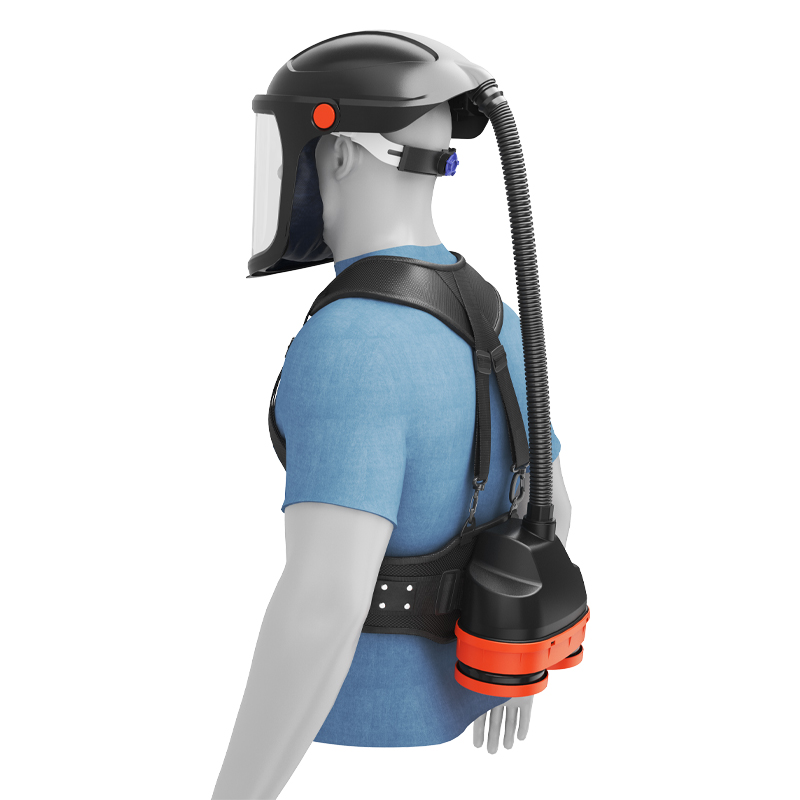
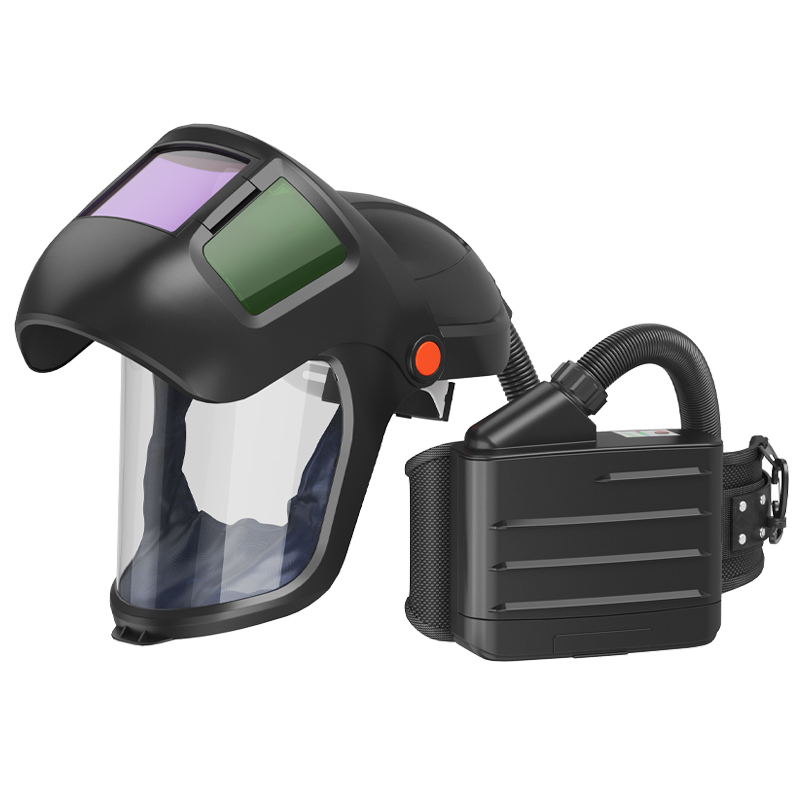
Los trabajos de demolición implican entornos complejos y variables. Desde la demolición de muros de edificios antiguos hasta el desmantelamiento de instalaciones industriales, contaminantes como el polvo, los gases nocivos y los compuestos orgánicos volátiles (COV) son omnipresentes, lo que exige una protección respiratoria extremadamente alta para los trabajadores. respirador a batería Se han convertido en equipos de protección esenciales en trabajos de demolición gracias a sus ventajas de protección con presión positiva y baja carga respiratoria. Sin embargo, no todos los PAPR son adecuados para todas las situaciones; seleccionar el tipo correcto es esencial para construir una sólida línea de defensa para la seguridad respiratoria. En comparación con los respiradores tradicionales de presión negativa, los PAPR suministran aire activamente a través de un ventilador eléctrico, lo que no solo reduce la fatiga respiratoria durante operaciones de alta intensidad, sino que también previene la fuga de contaminantes a través del ambiente de presión positiva dentro de la máscara, mejorando significativamente la fiabilidad de la protección. Para operaciones generales de demolición con generación de polvo, se prefieren los PAPR con filtro de partículas. Estas operaciones suelen implicar la demolición de hormigón, mampostería, madera y otros componentes, con polvo respirable, especialmente partículas finas PM2.5, como principal contaminante. La inhalación prolongada puede inducir fácilmente neumoconiosis. Al seleccionar un modelo, se deben utilizar filtros de partículas de alta eficiencia, y la máscara puede elegirse en función de las necesidades de flexibilidad operativa. Para escenarios al aire libre, como la demolición de muros y pisos, los PAPR con capucha de alimentación de aire son más adecuados. No requieren una prueba de ajuste facial, ofrecen una gran adaptabilidad y también pueden proporcionar protección contra impactos en la cabeza. Para espacios de trabajo estrechos con concentraciones de polvo extremadamente altas, se recomienda utilizar PAPR de cara completa y ajuste ceñido, con un caudal de aire mínimo de al menos 95 L/min, que forme un sello hermético en la cara para evitar que el polvo se filtre por las rendijas. Para operaciones de demolición con gases nocivos, se requieren PAPR con filtrado combinado. Durante la demolición de edificios antiguos, se emiten compuestos orgánicos volátiles como el formaldehído y el benceno de pinturas y revestimientos, mientras que el desmantelamiento de instalaciones industriales puede dejar gases tóxicos como el amoníaco y el cloro. En estos casos, un solo PAPR con filtrado de partículas no puede satisfacer las necesidades de protección. Se deben utilizar filtros dobles (partículas + gas/vapor), con una selección precisa según el tipo de contaminante: cartuchos filtrantes de carbón activado para vapores orgánicos y filtros de adsorción química para gases ácidos. Para estos casos, se prefieren los PAPR de presión positiva y ajuste hermético. Combinados con el suministro de aire forzado, no solo filtran eficazmente los gases nocivos, sino que también reducen los residuos contaminantes dentro de la máscara mediante el suministro continuo de aire, a la vez que evitan los riesgos de intoxicación por fugas de la máscara. Los escenarios especiales requieren una selección específica de equipos dedicados. respiradores purificadores de aire motorizados de ajuste holgadoLa demolición de componentes que contienen asbesto es una operación de alto riesgo: una vez inhaladas, las fibras de asbesto causan daño pulmonar irreversible. Se deben utilizar respiradores purificadores de aire portátiles (PAPR) que cumplan con las normas de protección contra el asbesto, junto con filtros HEPA de alta eficiencia. Además, se deben adoptar diseños de tipo capucha para evitar fugas de fibra debido al uso inadecuado de máscaras ajustadas. Mientras tanto, la capucha debe usarse con ropa de protección química para formar una protección corporal completa. Para la demolición en espacios confinados como sótanos y pozos de tuberías, primero se deben verificar los niveles de oxígeno. Si la concentración de oxígeno no es inferior al 19% (entorno no IDLH), se pueden utilizar PAPR portátiles de presión positiva con sistemas de ventilación forzada. Si existe riesgo de deficiencia de oxígeno, se deben utilizar respiradores con suministro de aire en lugar de depender de PAPR. La selección del PAPR debe equilibrar el cumplimiento de las normas y la viabilidad operativa. También deben realizarse ajustes en función de la intensidad de la mano de obra: la mayoría de los trabajos de demolición son de intensidad moderada a alta, por lo que Respirador purificador de aire motorizado TH3 Son más eficaces para reducir la carga respiratoria, lo que evita que los trabajadores se quiten el equipo de protección por fatiga. La duración de la batería debe ser acorde con la duración del funcionamiento; para operaciones prolongadas en exteriores, se recomiendan modelos con batería reemplazable para garantizar una protección ininterrumpida. Además, los elementos filtrantes deben reemplazarse estrictamente según lo programado: los cartuchos de filtro de gas deben reemplazarse dentro de los 6 meses posteriores a su apertura, o inmediatamente si se detectan olores o aumenta la resistencia, para evitar fallos de protección. Finalmente, cabe destacar que los PAPR no son equipos de protección universales y su uso debe basarse en una evaluación exhaustiva de riesgos. Antes de los trabajos de demolición, se deben realizar pruebas in situ para identificar los tipos de contaminantes, sus concentraciones y las características ambientales, y posteriormente seleccionar el tipo de PAPR adecuado para cada situación. Solo seleccionando y utilizando correctamente los PAPR podemos construir una barrera fiable para la salud respiratoria en trabajos de demolición complejos, equilibrando la eficiencia operativa y la protección de la seguridad. Para obtener más información, haga clic aquí. www.newairsafety.com.
LEER MÁS




 Red IPv6 compatible