Jan 16, 2026
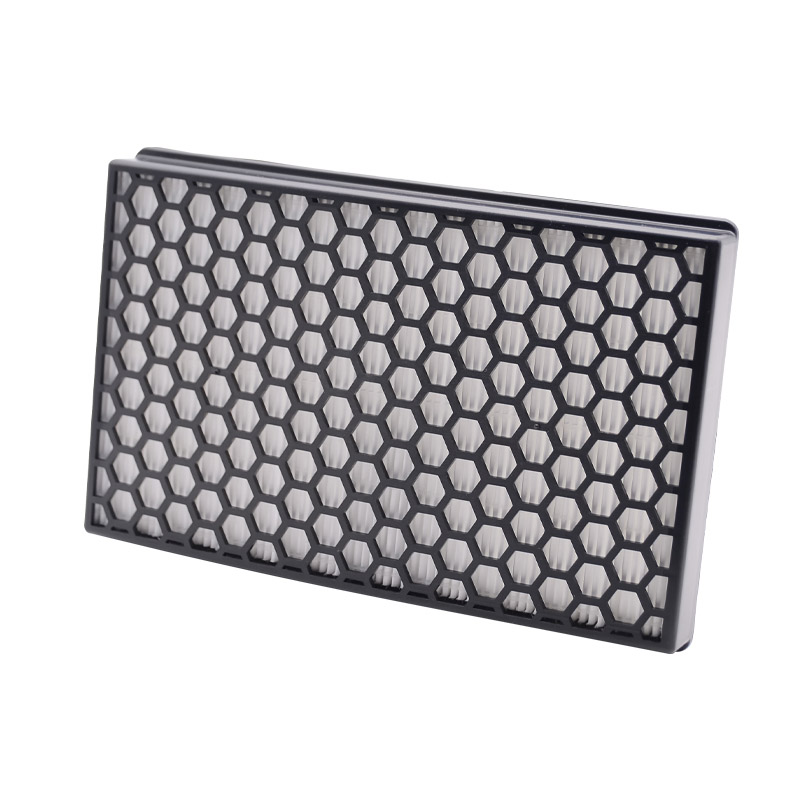
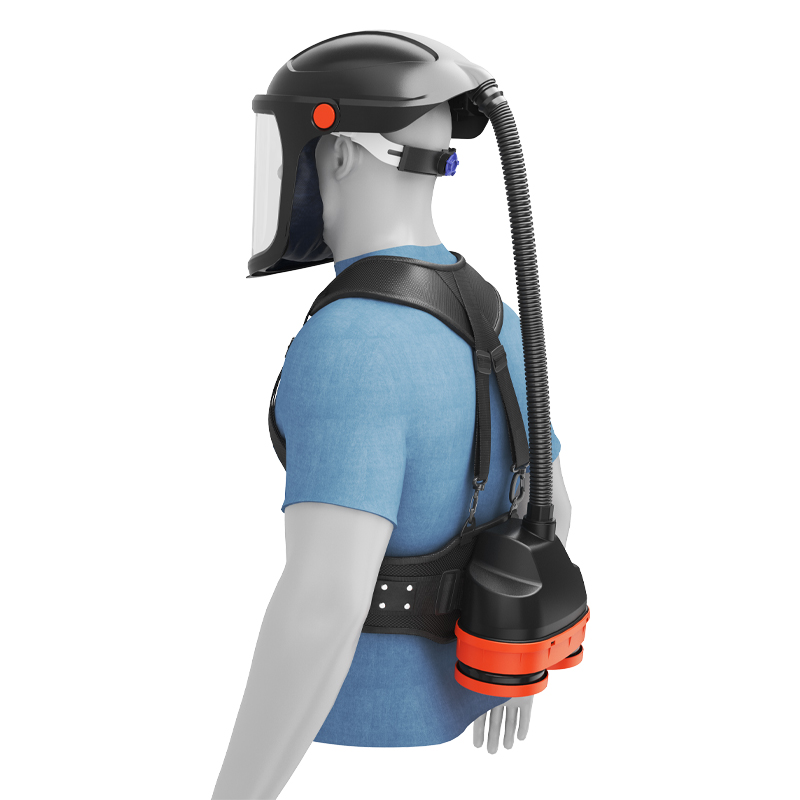
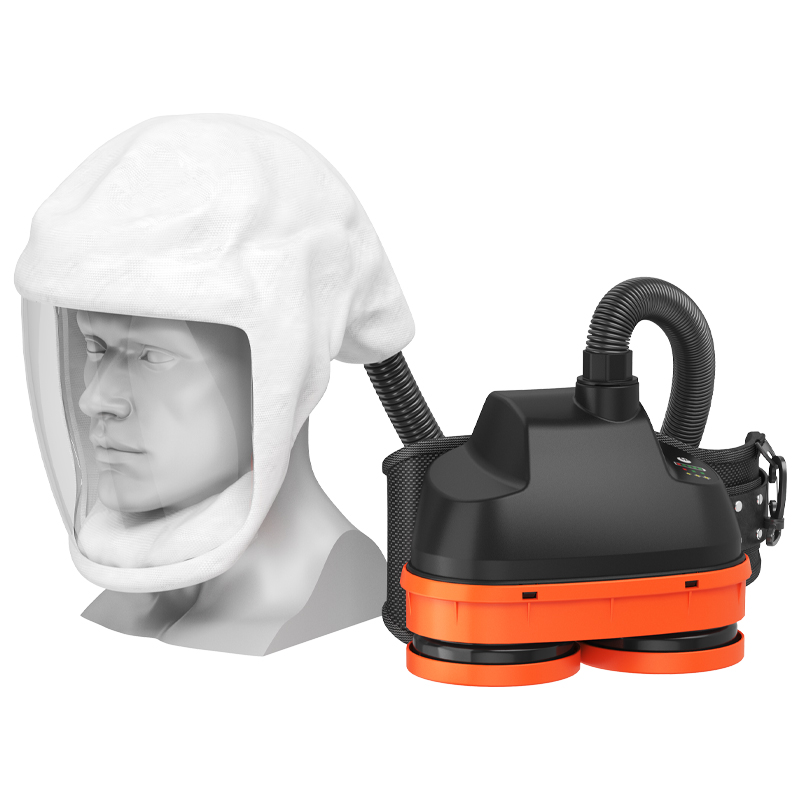
En respirador purificador de aire En diferentes escenarios de aplicación, la mayoría de los usuarios se centran más en la eficiencia de filtración y el nivel de protección, pero a menudo pasan por alto el impacto potencial de los modos de entrada de aire en las operaciones reales. Este artículo se centra en las diferencias entre los modos de entrada de aire frontal, lateral y posterior en cuanto a la adaptabilidad al uso, la compatibilidad con diferentes escenarios, el control del consumo energético y la adaptación a poblaciones específicas desde la perspectiva de las necesidades operativas in situ. La elección del modo de entrada de aire no solo se relaciona con el efecto de protección, sino que también afecta directamente la continuidad operativa, la tasa de pérdida de equipos y la aceptación del equipo por parte de los empleados. Su importancia cobra mayor relevancia, especialmente en escenarios con múltiples cambios de condiciones de trabajo y operaciones a largo plazo. La principal competitividad del PAPR con entrada de aire frontal reside en su adaptación liviana y compatibilidad con escenarios de emergencia, en lugar de la simple eficiencia del flujo de aire. Este diseño concentra los componentes principales de entrada de aire y filtro en frente de la cabeza, con el peso total del equipo más concentrado y el centro de gravedad hacia adelante, adaptándose a la mayoría de las formas de cabeza estándar sin ajuste adicional de la carga de la espalda o la cintura, siendo más amigable para los trabajadores delgados o con lesiones de espalda antiguas. En rescates de emergencia, inspecciones temporales y otros escenarios, el PAPR con entrada de aire frontal tiene ventajas significativas en su rápido uso; sin una conexión de manguera engorrosa, se puede usar inmediatamente después de desempaquetarlo, ganando tiempo para la eliminación de emergencia. Sin embargo, no se pueden ignorar las posibles deficiencias: el centro de gravedad adelantado puede causar dolor de cuello después de un uso prolongado, especialmente cuando se usa con cascos de seguridad, la presión de carga de la cabeza se concentra, lo que lo hace inadecuado para operaciones continuas de más de 8 horas; Al mismo tiempo, la entrada de aire frontal es fácilmente expulsada por el flujo de aire respirable, lo que genera condensación de humedad en la superficie de la unidad de filtro, que es propensa al crecimiento de moho en entornos de alta humedad, lo que afecta la vida útil del filtro y la salud respiratoria. La principal ventaja del PAPR con entrada de aire lateral es Adaptabilidad de coordinación de múltiples equipos y confort del flujo de aire, Esta es la clave para ser la primera opción en condiciones de trabajo integrales. En entornos industriales, los trabajadores a menudo necesitan combinar cascos de seguridad, gafas protectoras, equipos de comunicación y otros equipos. La disposición de la unidad de entrada de aire lateral evita el espacio para el equipo delante y encima de la cabeza, previene la interferencia mutua y no afecta la estabilidad del casco. En comparación con el flujo de aire directo de la entrada de aire frontal, la entrada de aire lateral permite un suministro de aire que rodea la cara mediante una estructura de guía de flujo, con una velocidad de flujo de aire más suave, evitando la sequedad causada por el flujo de aire directo a la cavidad nasal y los ojos, y mejorando considerablemente la tolerancia para operaciones prolongadas. Sus limitaciones se reflejan principalmente en la adaptabilidad bilateral: la entrada de aire de un solo lado puede generar una fuerza desigual en la cabeza, mientras que la entrada de aire de doble lado aumenta el volumen del equipo, lo que puede colisionar con el equipo de protección para hombros y las herramientas de operación. Además, el canal de guía de flujo de la unidad de entrada de aire lateral es estrecho. Si la precisión de filtración de la unidad de filtro es insuficiente, es probable que se acumulen impurezas en el puerto de guía de flujo, lo que afecta la fluidez del flujo de aire. El valor fundamental de la entrada de aire trasera Purificador de aire papr Se basa en la adaptación a condiciones de trabajo extremas y el control de pérdidas del equipo, especialmente adecuado para escenarios de operación de alta frecuencia e intensidad. Al integrar componentes principales como la entrada de aire, la alimentación y la batería en la parte posterior, solo una capucha ligera y una manguera de suministro de aire se mantienen en la cabeza, lo que no solo libera completamente el espacio de operación de la cabeza, sino que también evita la colisión y el desgaste de los componentes principales durante la operación, reduciendo significativamente los costos de mantenimiento y reemplazo del equipo. El peso del componente posterior se distribuye uniformemente; junto con el cinturón ajustable y las correas de hombro, puede dispersar la carga a todo el cuerpo. En comparación con las entradas de aire frontales y laterales, es más adecuado para operaciones a largo plazo y de alta intensidad. Además, la larga trayectoria del flujo de aire posterior puede equiparse con una estructura simple de disipación de calor para aliviar el sobrecalentamiento del equipo en entornos de alta temperatura. Sin embargo, este modo tiene ciertos requisitos para el entorno de trabajo: el componente posterior es relativamente grande, inadecuado para espacios estrechos, operaciones de escalada y otros escenarios; Como parte de conexión central, si el material de la manguera no tiene suficiente tenacidad, es propenso a doblarse y envejecer durante grandes movimientos de las extremidades, y el polvo se acumula fácilmente en la pared interna de la manguera, lo que hace que la limpieza diaria sea más difícil que la del equipo de entrada de aire frontal y lateral. La lógica fundamental de selección reside en la unidad adaptativa "hombre-máquina-entorno", en lugar de un rendimiento único óptimo. Si la operación consiste principalmente en inspecciones temporales y eliminación de emergencias con alta movilidad del personal, se debe preferir un PAPR con entrada de aire frontal para equilibrar la eficiencia de uso y la necesidad de peso ligero; para operaciones industriales regulares que requieren múltiples equipos de protección y un tiempo de operación prolongado, la entrada de aire lateral es la opción ideal para equilibrar la comodidad y la coordinación; para operaciones de alta frecuencia e intensidad con requisitos estrictos de control de pérdidas de equipos, la entrada de aire posterior resulta más rentable. Además, se deben considerar factores especiales: se debe evitar la entrada de aire frontal en entornos con alta humedad para prevenir la condensación de humedad; se debe excluir la entrada de aire posterior en operaciones en espacios reducidos, y se debe preferir una entrada de aire frontal o lateral ligera; para escenarios con altas necesidades de comunicación, la entrada de aire lateral facilita la coordinación con el equipo de comunicación. El diseño iterativo de respirador papr Los modos de entrada de aire se basan esencialmente en una adaptación exhaustiva a las necesidades de cada escenario operativo. Desde la entrada de aire frontal inicial, que ofrece protección básica, hasta la entrada de aire lateral que equilibra comodidad y coordinación, y finalmente la entrada de aire trasera, que se adapta a condiciones de trabajo extremas, cada modo tiene un valor insustituible. Para las empresas, la selección no solo debe centrarse en los parámetros del equipo, sino también en la retroalimentación de los trabajadores de primera línea y las diferencias detalladas de los escenarios operativos, de modo que el PAPR se convierta en un asistente para mejorar la eficiencia operativa en lugar de una carga, garantizando al mismo tiempo la seguridad. En el futuro, con la popularización del diseño modular, los modos de entrada de aire conmutables podrían generalizarse, superando aún más las limitaciones de un solo modo de entrada de aire. Para obtener más información, haga clic aquí. www.newairsafety.com.
LEER MÁS




 Red IPv6 compatible