Dec 15, 2025
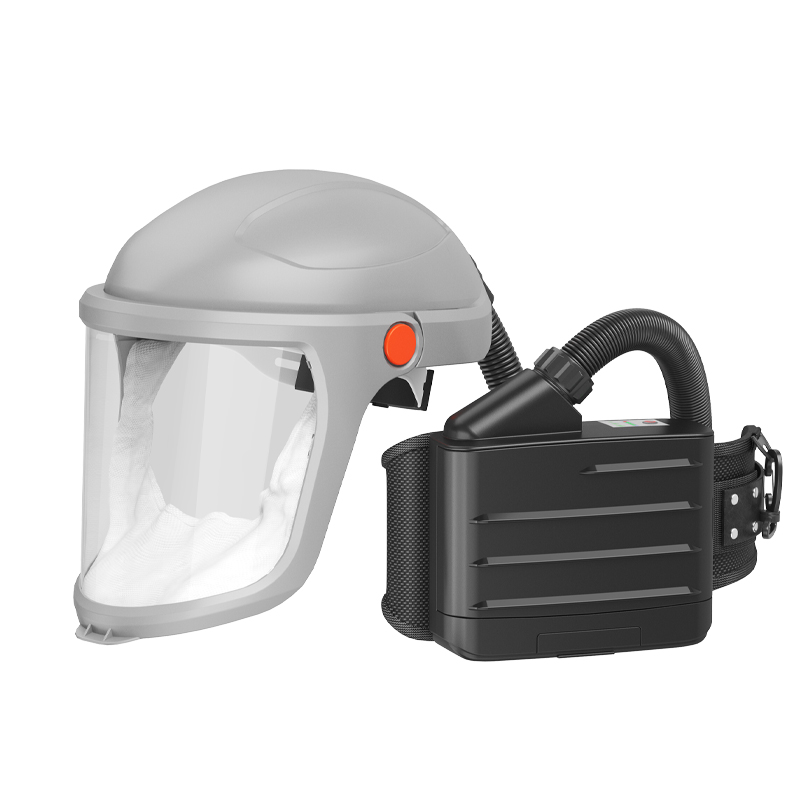
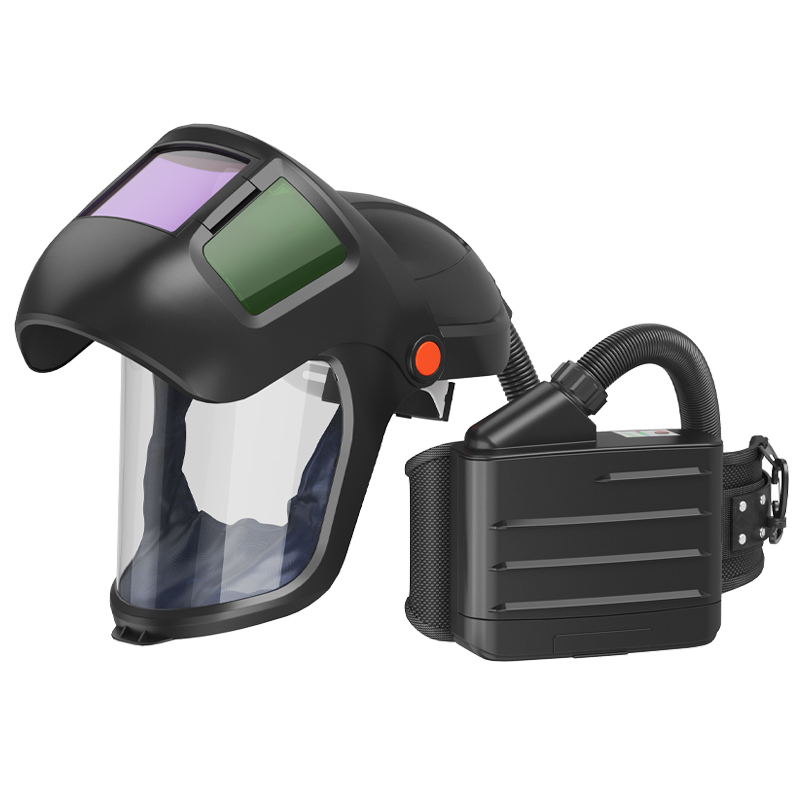
Cuando se piensa en carpintería, a menudo vienen a la mente imágenes de virutas de madera volando y el rico aroma de la madera. Sin embargo, pocos prestan atención a los "asesinos de la salud" invisibles: el polvo de madera. Muchos artesanos están acostumbrados a usar mascarillas comunes mientras trabajan, pensando: "Mientras se bloqueen las partículas grandes, no hay problema". Pero con la creciente concienciación sobre la salud ocupacional, cada vez más profesionales recurren a... sistema paprHoy, exploraremos por qué la carpintería, un oficio aparentemente sencillo, requiere un equipo de protección tan profesional. En primer lugar, es fundamental comprender que los peligros del polvo de madera son mucho mayores de lo que se imagina. El procesamiento de la madera genera no solo virutas visibles, sino también una gran cantidad de partículas inhalables (PM2.5). Estas diminutas partículas pueden penetrar profundamente en las vías respiratorias y su acumulación a largo plazo puede provocar enfermedades profesionales como neumoconiosis y bronquitis. Lo que es más problemático es que el polvo de algunas maderas duras (como el palo de rosa y el roble) contiene componentes alergénicos, que pueden causar picazón en la piel y ataques de asma al contacto. Las mascarillas comunes tienen una eficiencia de filtración insuficiente o un sellado deficiente: el polvo puede filtrarse fácilmente por los espacios alrededor de la nariz y la barbilla, lo que reduce considerablemente su efecto protector. La principal ventaja de una respirador purificador de aire positivo reside en su "protección activa + filtración de alta eficiencia": aspira activamente el aire a través de un ventilador incorporado, lo filtra a través de un filtro HEPA y luego envía el aire limpio a la máscara, bloqueando la entrada de polvo en la fuente. La complejidad de los entornos de carpintería resalta aún más la irreemplazabilidad de las mascarillas PAPR. Los carpinteros realizan diversas tareas, desde serrar y cepillar hasta lijar y acabar. Cada proceso produce diferentes contaminantes: serrar madera dura genera gran cantidad de virutas afiladas, lijar polvo ultrafino y acabar puede conllevar la presencia de compuestos orgánicos volátiles (COV). Las mascarillas convencionales suelen ser ineficaces contra esta "contaminación compuesta", pero las PAPR pueden equiparse con diferentes filtros según el proceso: no solo filtran el polvo, sino que también protegen contra contaminantes gaseosos como los COV. Más importante aún, las operaciones de carpintería a menudo requieren agacharse y girarse con frecuencia, lo que puede desplazar fácilmente las mascarillas convencionales. Sin embargo, las mascarillas PAPR están diseñadas para ajustarse perfectamente al rostro y se fijan con diademas o cascos de seguridad. Incluso al agacharse para lijar una mesa o inclinar la cabeza para cortar madera durante largos periodos, mantienen un buen sellado. La comodidad durante largas jornadas de trabajo es una de las principales razones por las que los respiradores PAPR están ganando popularidad entre los carpinteros. Es habitual que los carpinteros trabajen más de 8 horas al día. Las mascarillas convencionales, especialmente las de alta protección como las N95, presentan poca transpirabilidad. Usarlas durante un tiempo prolongado puede causar opresión en el pecho, dificultad para respirar y dejar marcas en la cara. Los PAPR, por otro lado, mantienen una ligera presión positiva dentro de la mascarilla mediante un suministro continuo de aire activo, lo que facilita la respiración y reduce eficazmente la congestión. Algunos pueden pensar respiradores motorizados Son más caras que las mascarillas convencionales y ofrecen una baja rentabilidad. Sin embargo, desde la perspectiva de los costos de salud a largo plazo, esta inversión definitivamente vale la pena. El costo del tratamiento de enfermedades profesionales como la neumoconiosis es alto y, una vez contraídas, son difíciles de curar, lo que afecta gravemente la calidad de vida y la capacidad laboral. Un PAPR fiable puede usarse durante mucho tiempo siempre que el filtro se reemplace regularmente. No solo protege la salud, sino que también evita la pérdida de tiempo de trabajo por enfermedad. Para los estudios profesionales de carpintería, proporcionar PAPR a sus empleados también es una muestra de responsabilidad corporativa, lo que puede mejorar la cohesión del equipo y la seguridad laboral. La carpintería es un oficio que requiere paciencia e ingenio. Proteger su salud es esencial para heredar este oficio. Las mascarillas comunes pueden ser suficientes para entornos con poco polvo a corto plazo, pero para operaciones complejas de carpintería a largo plazo, la protección, la comodidad y la seguridad sanitaria de alta eficiencia que ofrecen los PAPR son irremplazables por el equipo de protección convencional. No permita que la simple costumbre o el simple hecho de no preocuparse se conviertan en amenazas ocultas para su salud. Incorpore un PAPR a su banco de carpintería y haga que cada sesión de cepillado y lijado sea más segura. Para obtener más información, haga clic aquí. www.newairsafety.com.
LEER MÁS




 Red IPv6 compatible